
The word comes from a tent. In a Roman marching camp the commander's tent was the praetorium, and the men posted around it were the cohors praetoria, the praetorian cohort. That is the whole origin: not a regiment, not an institution, just whoever the general trusted to stand outside the door where he slept. The tradition is usually traced back to Scipio Aemilianus, who formed a picked bodyguard at the siege of Numantia in the 130s BC.
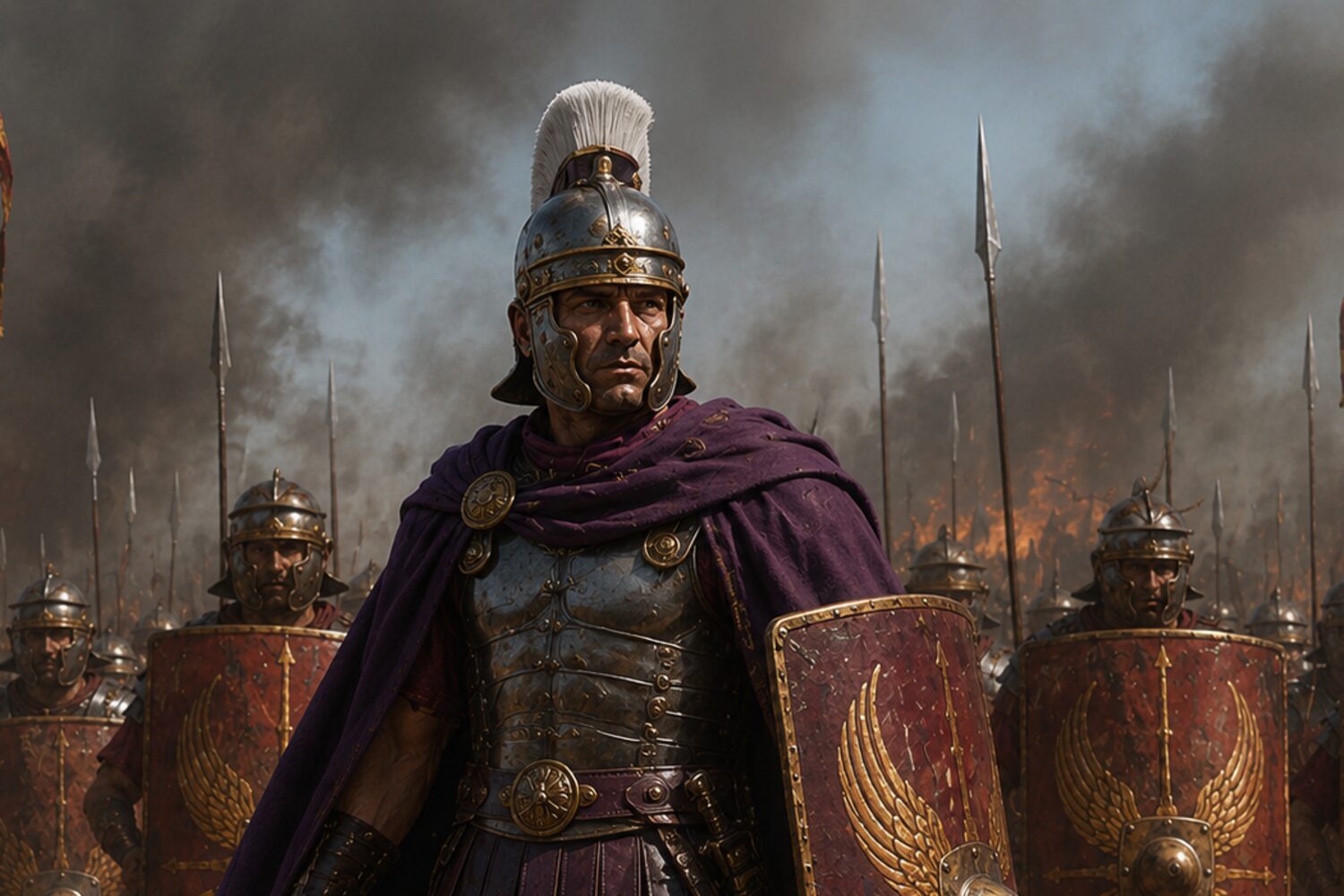
Caesar's guard, and the Tenth
A general chose his praetorian cohort out of the troops he had, which means it is a straight statement about who he rated. Caesar's answer was the Tenth, and the clearest proof of it is an afternoon in 58 BC.
He had agreed to meet Ariovistus, the German king, on horseback with a small mounted escort. The only cavalry Caesar had were Gauls, and he did not trust them with his life at close range. So he took their horses off them and put the men of the Tenth on the saddles instead, and rode to the parley guarded by his own infantry pretending to be cavalry. Caesar reports in the first book of the Gallic War that the legionaries enjoyed the joke enormously: they said Caesar was doing more than he had promised, since he had undertaken to make the Tenth his bodyguard and was making them knights instead.
The joke stuck to them. That is where Legio X Equestris, the Mounted Tenth, got its name, and it is the name on the certificate.
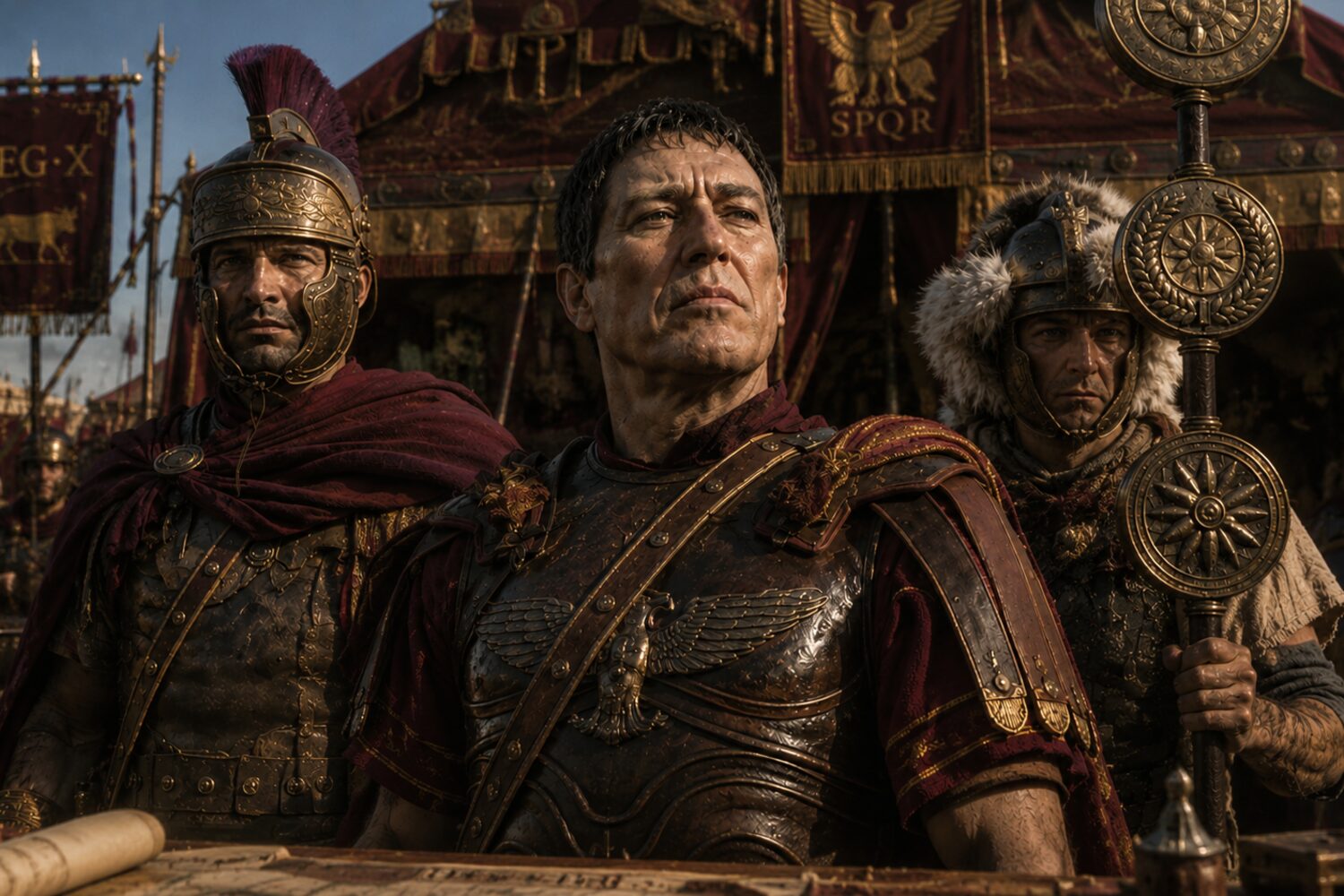
The most trusted men in the army
Selection was the whole point of it. A praetorian was picked, by name, by the man whose life the choice protected, and he was picked out of a legion that had itself been picked. There is no higher compliment available inside an army: not the best fighter necessarily, but the one you would want awake at the door.
Under Augustus the arrangement became permanent and prestigious, a standing force of nine cohorts with better pay and a shorter term than the legions, quartered from AD 23 in their own fortress on the edge of the city. Serving in it was the most sought-after posting a Roman soldier could hold.
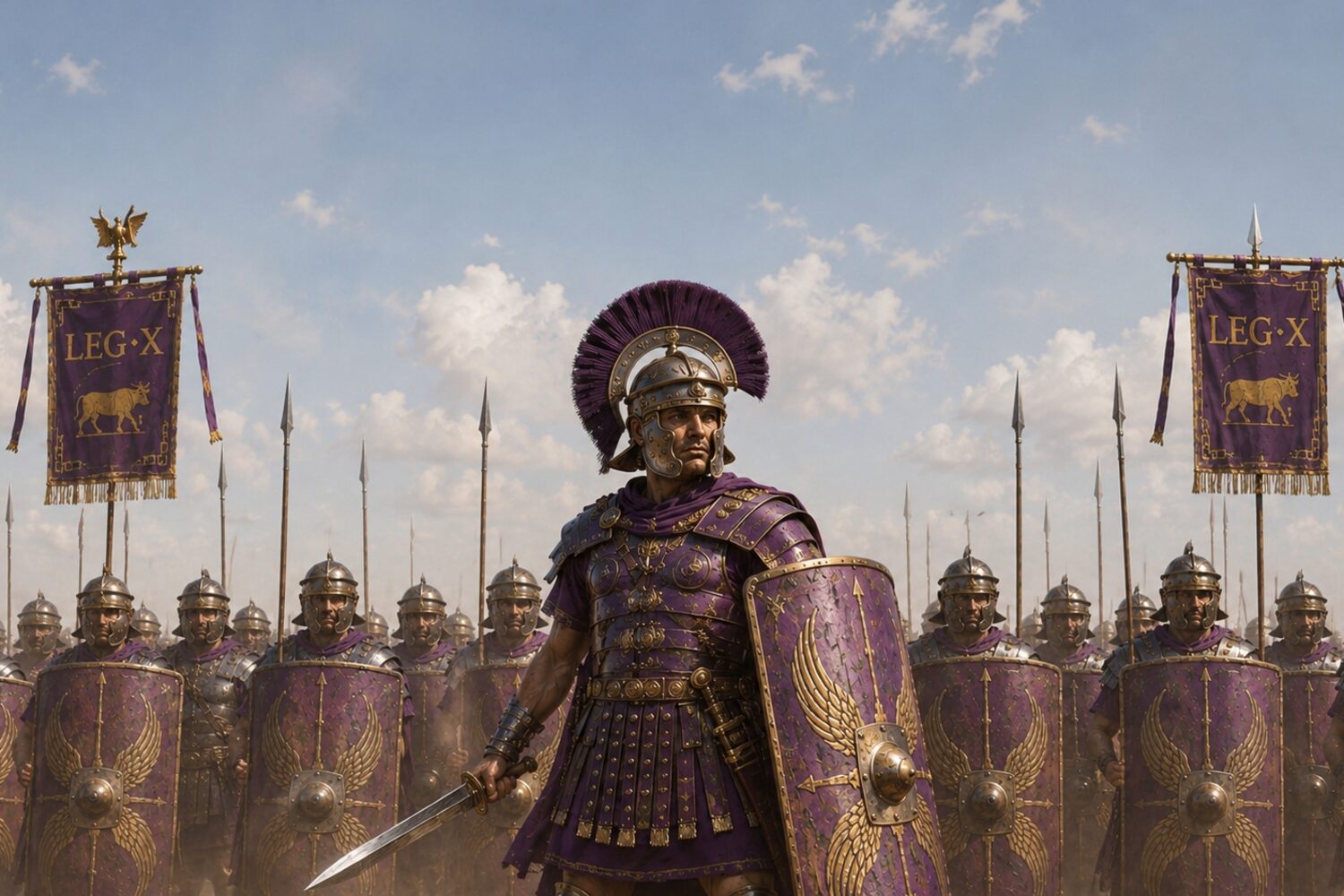
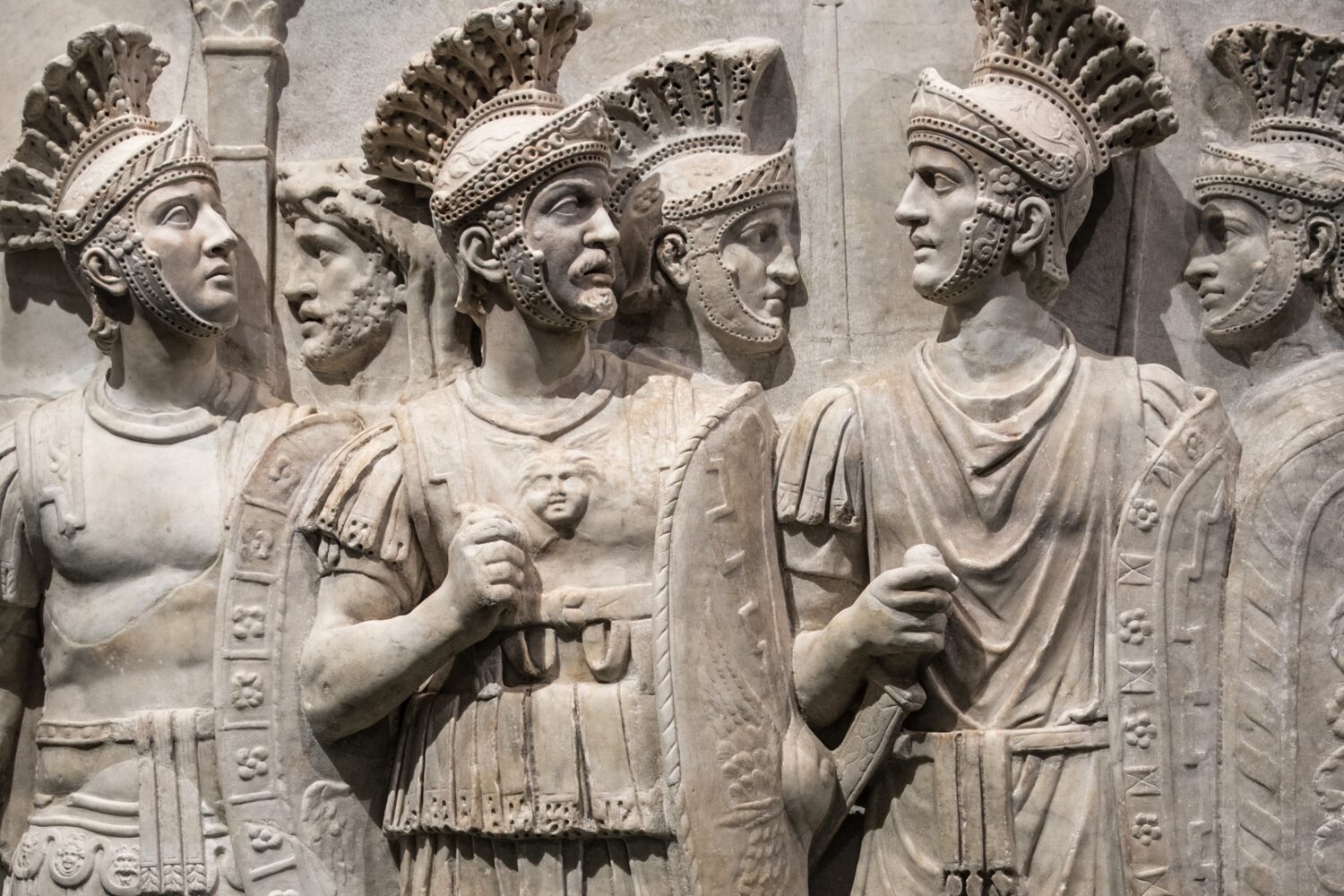
The enrollment sold here is the original sense of the word: the commander's own guard, chosen out of his best legion, standing outside the tent.
What it means on your certificate
The Praetorian enrollment inscribes Praetorianus and your name into Legio X Equestris, in the old manner, sealed with the eagle. It is the highest of the three we issue, and it is the one that says something about the person rather than the job: a legionary enlisted, a centurion was promoted, a praetorian was chosen, by name, by the man whose life the choice protected.
It is an honorific and a souvenir, given for the pleasure of the thing. It confers no rank, no service and no entitlement of any kind, our notice sets that out in full, and it is worth two minutes before you buy.